Longer reads on independent music, film, art and the ideas behind the work.
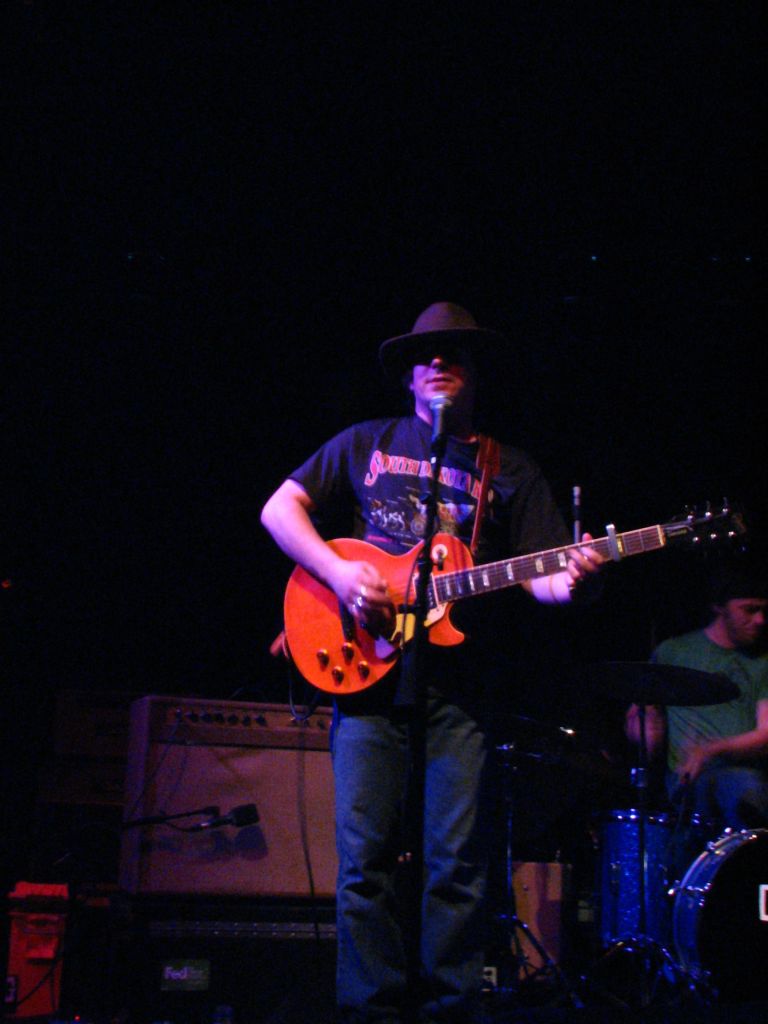
Jason Molina Was Still Making Plans
The songwriter behind Songs: Ohia and Magnolia Electric Co. could fill a room with music. During his last years, the people who loved him kept trying to bring him back into one.
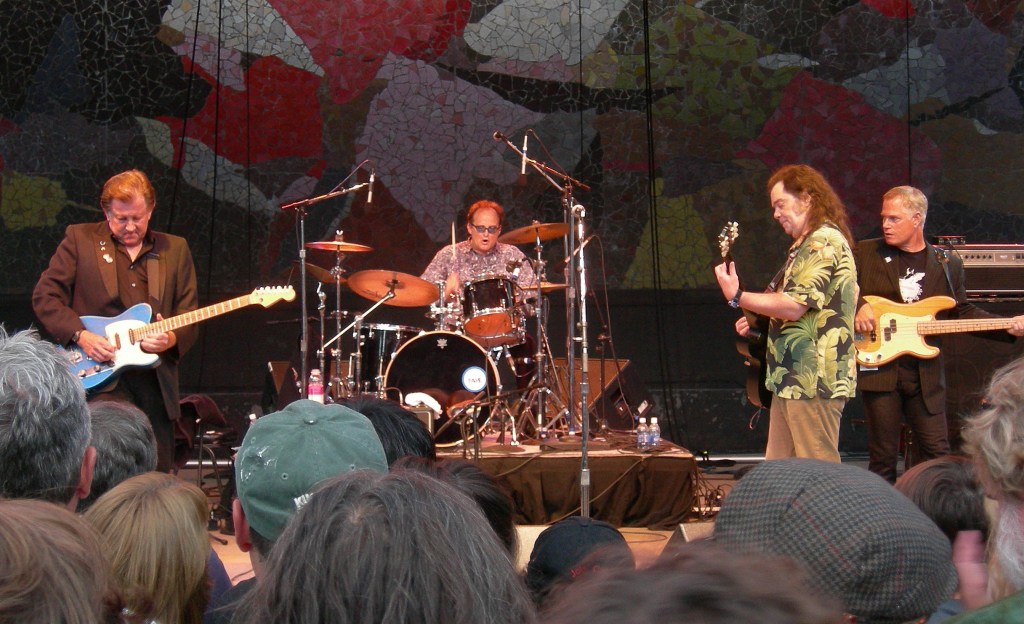
Roky Erickson and the pleasure of being scared
The singer behind the 13th Floor Elevators filled The Evil One with creatures from old movies. Getting them onto a record took friends, arguments and a producer willing to keep the tape running.
Maya Deren and the cost of getting a film seen
Her films offered a different kind of cinema. In letters about postage, missing stills and small rental fees, Maya Deren worked out how to bring it to an audience.

June of 44 Had People to See
June of 44’s restless guitar music found listeners far from home. Years after the touring wore them down, friends in Sicily gave them a reason to play it again.
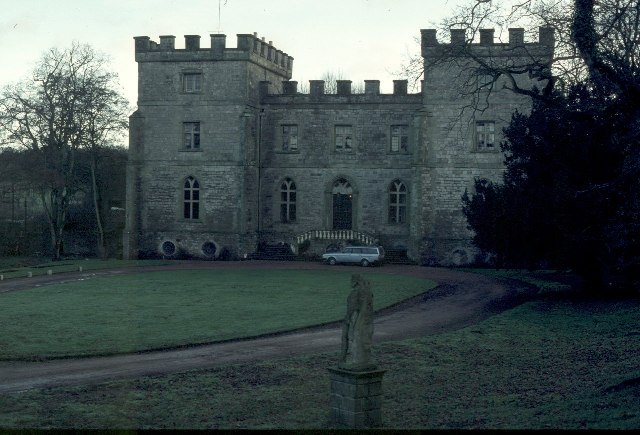
Black Sabbath and the Castle They Wouldn’t Sleep In
In 1973, Black Sabbath went to Clearwell Castle hoping to break a writing block. They found a new album, a disappearing visitor and plenty of reasons not to trust their bandmates after dark.
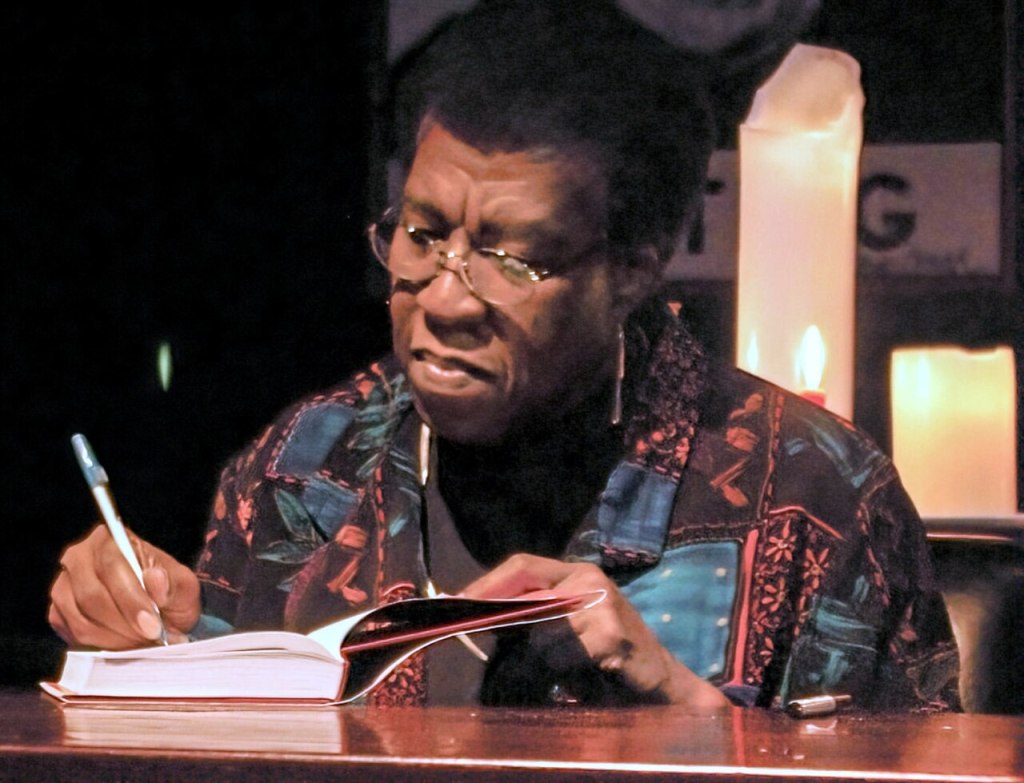
Octavia Butler learned what a writing life cost
Before the books could pay her bills, Butler had to learn how to send out a story, find useful readers and keep working through long stretches without a sale.
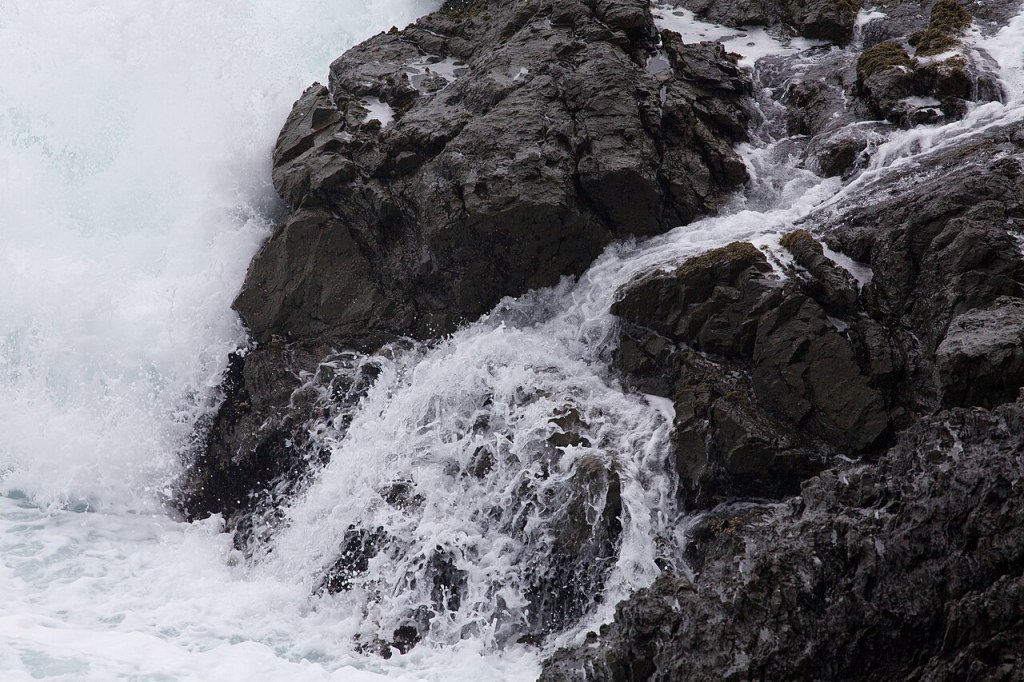
Gene Clark and the House on Middle Ridge
Gene Clark found a home on the Mendocino coast while writing some of his most ambitious songs. Years later, his son Kai learned those songs alongside memories of the father he’d missed.
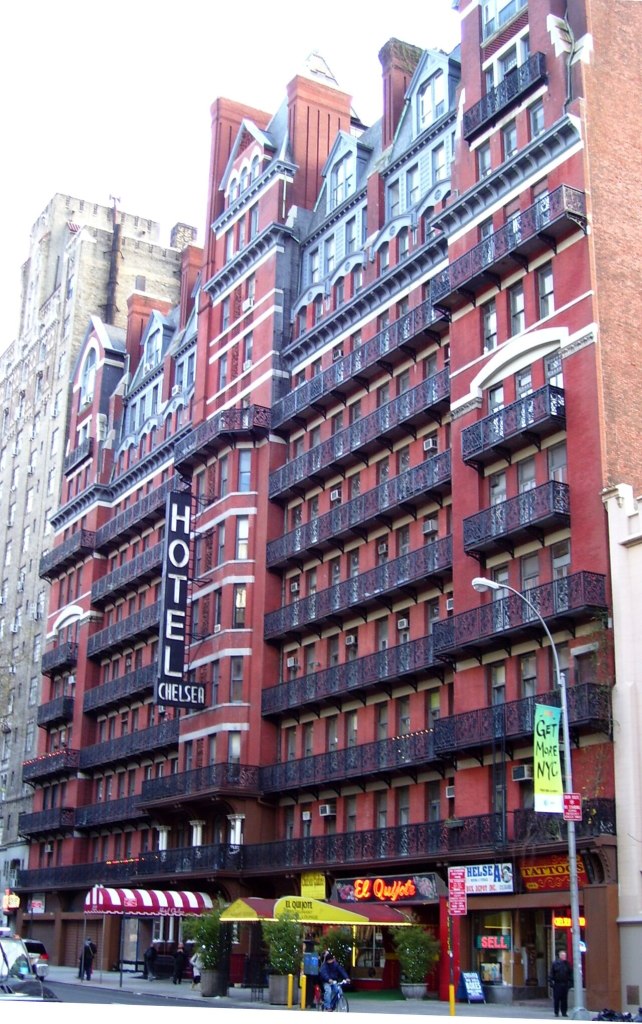
Shirley Clarke’s all-night video school
At the Chelsea Hotel, the filmmaker’s Tee Pee Video Space Troupe turned cameras and monitors into instruments people had to learn to play together.
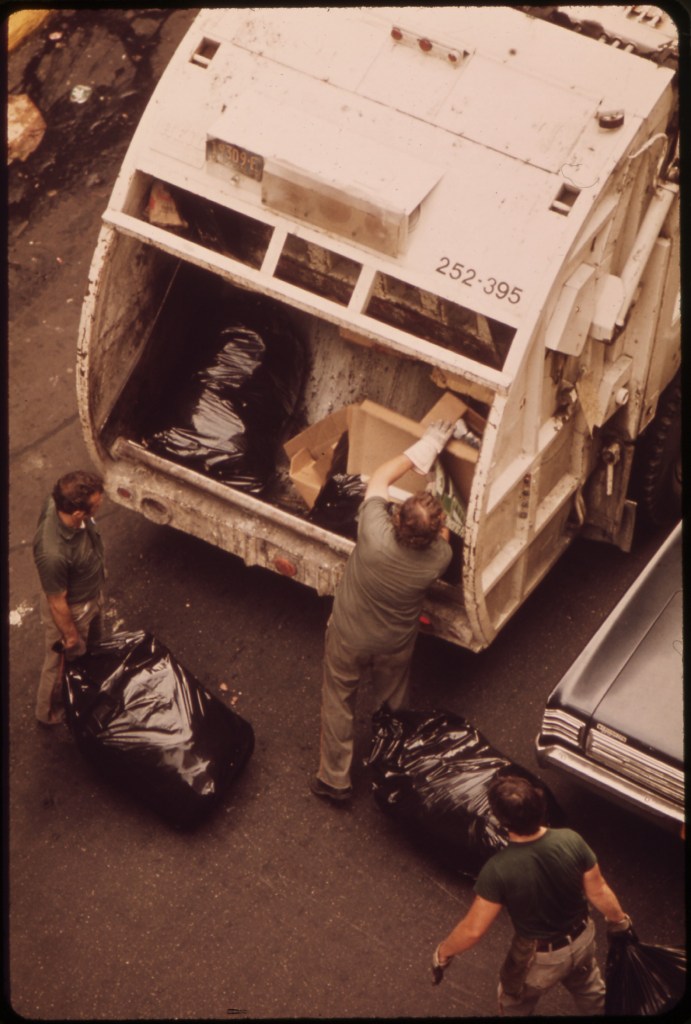
Mierle Laderman Ukeles and the Work That Keeps Going
Motherhood brought the artist to maintenance. Museum floors and New York’s sanitation workers gave her ways to ask whose work gets noticed.
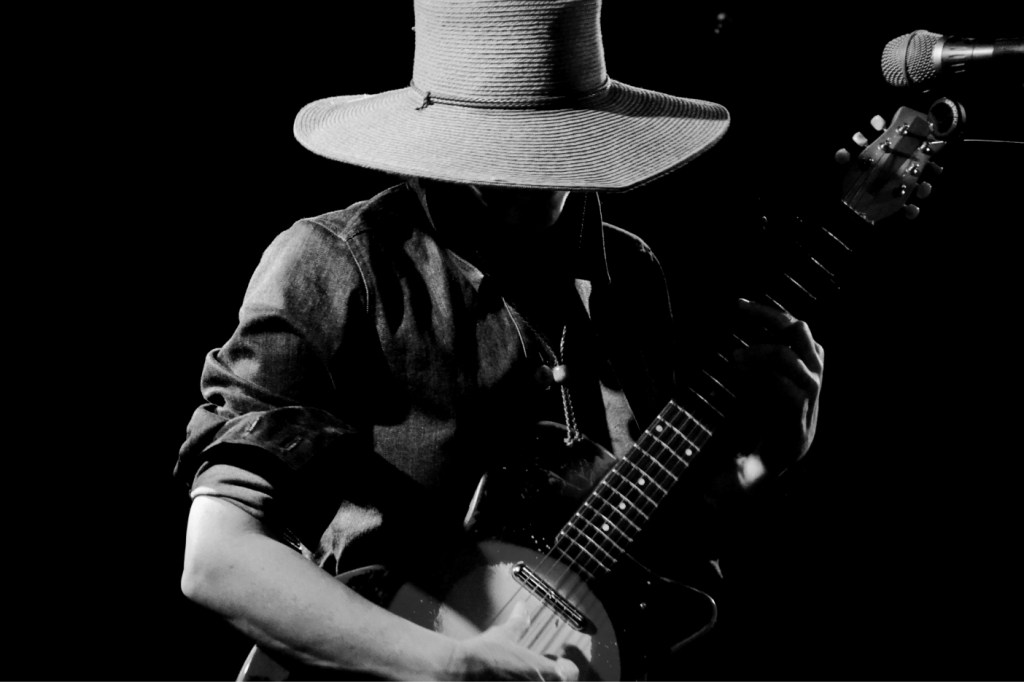
Rodan and the Friends Who Kept the Music
Rodan made one studio album. The friendships behind it carried on through other bands, a rescued tour van and old tapes that found their way back to listeners.
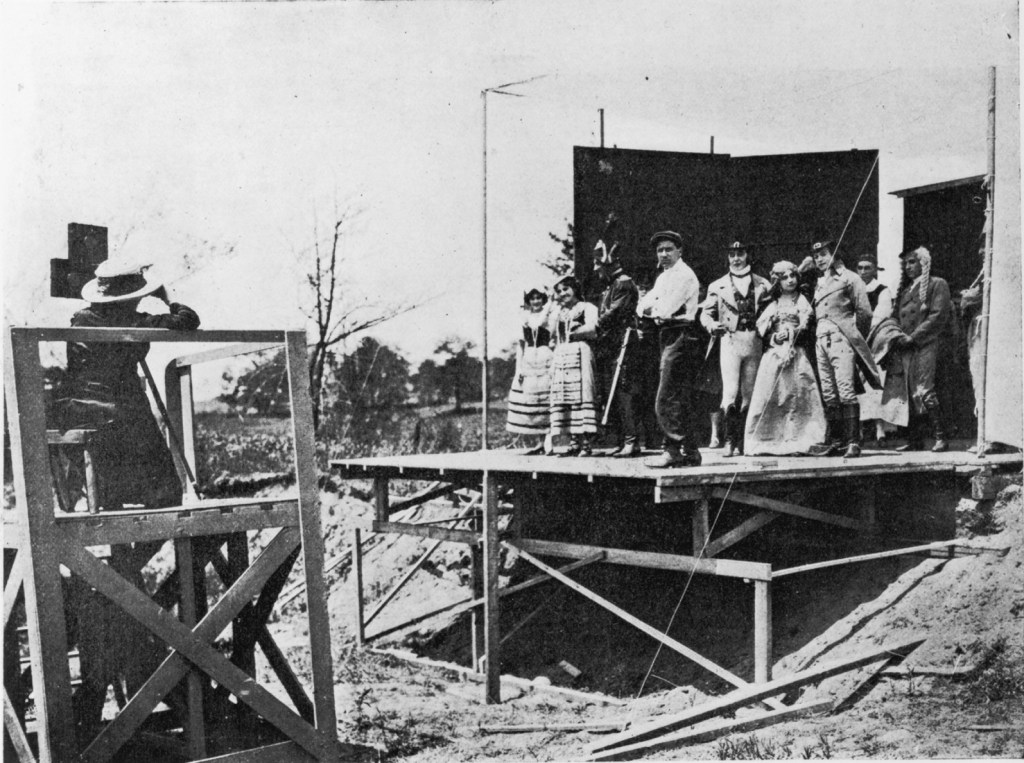
Alice Guy-Blaché Had a Studio to Run
Alice Guy-Blaché ran a film company, rehearsed actors and studied in the laboratory. Her account of the job leaves little patience for the shouting director.
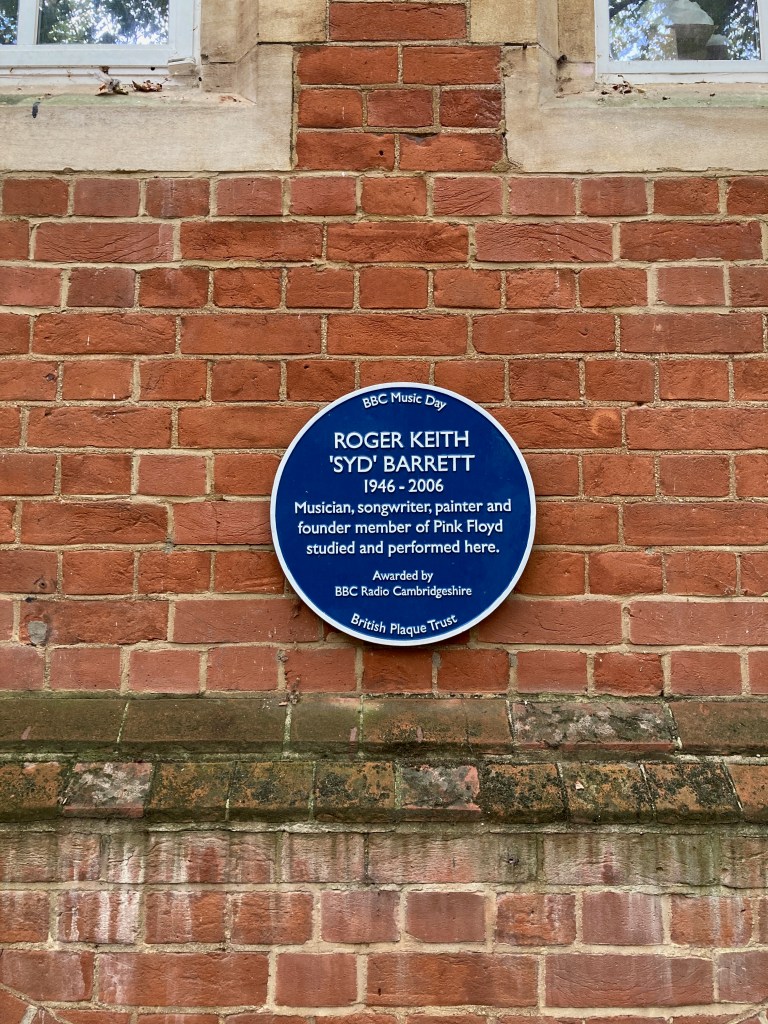
Syd Barrett After the Band Went On
The friends who could no longer play with him, the songs he still wanted to make, and the sister who kept his pictures.

