Buried Frequencies / NO. 003
The people who helped Rodan begin were still finding ways to care for the music long after the band had ended.
By Margin Tone
Rodan made one studio album, Rusty, in 1994, but that record gave the Louisville quartet a lasting place in experimental American rock. Coming out of the same local scene as Slint, they pushed hardcore’s intensity into long, intricately arranged songs. In her retrospective for RVA Magazine, Marilyn Drew Necci singled out their startling range: the extended, percussionless guitar instrumental “Bible Silver Corner” gives way to the “short sharp shock” of “Shiner.” The attraction was the room they found for tenderness and force within the same band.
They have a cult following rather than a history of pop hits. In 2019, My Morning Jacket bassist Tom Blankenship called Rusty “one of my fave albums of all time”. Thirty years after its release, Touch and Go issued a champagne-vinyl edition limited to 1,000 copies; its store now lists that edition as sold out. Later bands including June of 44 and Rachel’s carried the musicians’ work further, but people were still coming back to Rodan itself.
Guitarists Jason Noble and Jeff Mueller had needed friends to get them making music in the first place. Long after Rodan broke up in 1994, friends and fellow musicians were still helping them recover recordings and put them into listeners’ hands.
One of those friendships began with a drawing. On the first day of high school in 1985, Noble gave Greg King a picture of an invented superhero getting his head bashed in. In King’s memory, they were awkward fourteen-year-olds, frightened by their new surroundings. He was delighted. It was an invitation he understood. Writing after Noble’s death twenty-seven years later, King still had the picture.
Mueller brought records to school. His family had moved around Louisville, and he’d attended four schools before high school; the records had become his “friends.” When Noble interviewed him for MAGNET in 2010, he finally asked whether Mueller had carried them for the artwork or because he couldn’t bear to be parted from the music. Both, Mueller said. By then they had spent much of their adult lives playing together. Noble admitted that without Mueller and King, he might never have begun: he’d been too frightened and unsure of himself.
A fanzine and comic book led to the high-school rap project King G and the J Krew. Turning its studio experiments into live music proved difficult. By late 1991, Noble and Mueller were living in the Rocket House in Old Louisville, where their friend Jon Cook helped them work out songs on drums. Bassist Tara Jane O’Neil, who had also sung with the earlier project, joined them. For a while they all lived there. “We were a little family,” she recalled in LEO Weekly.
Rodan took shape in 1992. Cook and then John Weiss occupied the drum seat before Kevin Coultas joined permanently. His parents had wanted him to finish college first. There was plenty to learn in that room. Looking back in 2026, Mueller put himself behind Noble, O’Neil and their drummer as a player. Keeping together took his attention.
O’Neil later called the music “aggressive but crafted.” They spent hours every day working through parts together. Mueller remained fond of the earlier, rougher “Shiner,” even after touring had refined their playing. Learning to do it better hadn’t erased his affection for their first attempts.
The first western tour gave them another education. Their van had no rear seats and broke down in Arizona, near a newly built rest area with no phones. O’Neil remembered Noble finding food; she recalled the whole episode fondly when she and Mueller told the Village Voice about it in 2013. They were in their early twenties, with a record out and a month of shows ahead. They needed somebody who could help them get to the next one.
Joey Burns, later known through Calexico, arranged a mechanic in Tucson and put a rental van on his credit card. The band drove on to Los Angeles. After their show at Jabberjaw, at about one in the morning, Burns arrived with the repaired van. They moved the equipment back into it, and he turned around and drove the rental to Tucson that night. Mueller remembered being briefly sorry to lose the nicer vehicle. The ridiculous generosity of the delivery stayed with him, too.
Rodan ended before a second album, but the musicians kept finding reasons to work together. Mueller helped form June of 44; he and Noble later reunited in Shipping News. Noble also made music with Rachel’s. O’Neil’s bands included Retsin and the Sonora Pine, where Coultas continued to play with her.
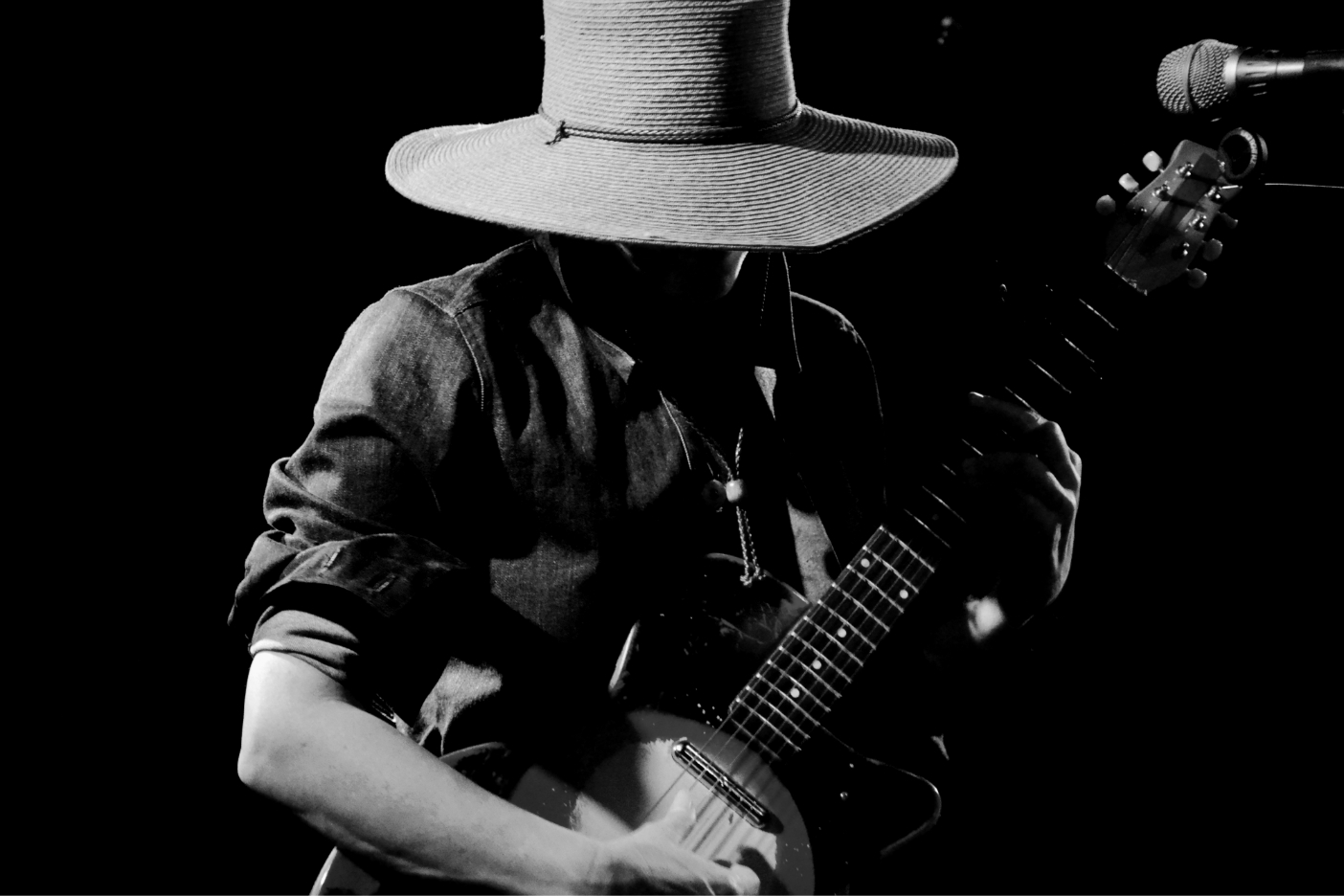
For O’Neil, that meant changing how she wrote. Rodan had spent hours every day repeating parts together. On the Sonora Pine’s second album, she used a little cassette player to record parts and write others over them, doing more of the composing alone. Coultas helped shape the arrangements through his drumming and wrote the final piece, “Linda Jo.”
Some of Rodan’s recordings were still waiting to be heard. Noble died of cancer in 2012, before the Rodan collection Fifteen Quiet Years appeared the following year. More tapes survived, but survival alone didn’t make them available. Touch and Go’s Adam Reach found someone in Illinois with a machine capable of transferring them. The man did the work free. Reach gave the files to O’Neil, and they sat on a hard drive for years.
During another recording session, engineer Kevin Ratterman noticed the Rodan folder. He was excited enough to want to work on it. His mixes became The Hat Factory 93 in 2019. When he suggested a benefit release, O’Neil asked the band where the money should go. She already had Girls Rock Louisville in mind; Kristin Furnish, included in these discussions on Noble’s behalf, advanced the same idea. LEO reported that all proceeds from the Bandcamp release would go to the organisation.
O’Neil knew what it could mean to have somebody return to old work with fresh enthusiasm. The Sonora Pine’s second album had disappointed her by passing too quietly. Years later, Ryley Walker contacted her about reissuing it. She still felt close to the twenty-four-year-old who’d made that record, and the attention reached back to her. In a 2022 LEO interview, she put the encouragement into words: “This is cool, and your efforts are not in vain.”
Previously: Buried Frequencies No. 002 — Jawbox and the Lives They Built →


