Her films offered a different kind of cinema. In letters about postage, missing stills and small rental fees, Maya Deren worked out how to bring it to an audience.
By Margin Tone
Filmmaker Maya Deren helped make room for an American cinema outside Hollywood’s stories and studios. In the 1940s, her short films used movement and editing to make their own kinds of time and space. Meshes of the Afternoon (1943), made with Alexander Hammid, began a body of work she would distribute to theatres, museums and colleges herself. She had to find the audience as well as make the films.
Dance offered one way to show what that cinema could do. In A Study in Choreography for Camera (1945), she worked with dancer Talley Beatty. The dance critic John Martin described their approach as one in which dance and camera “collaborate on the creation of a single work of art.” Deren circulated his words with her publicity. She was asking people to take an unfamiliar form seriously, and giving them a way to begin.
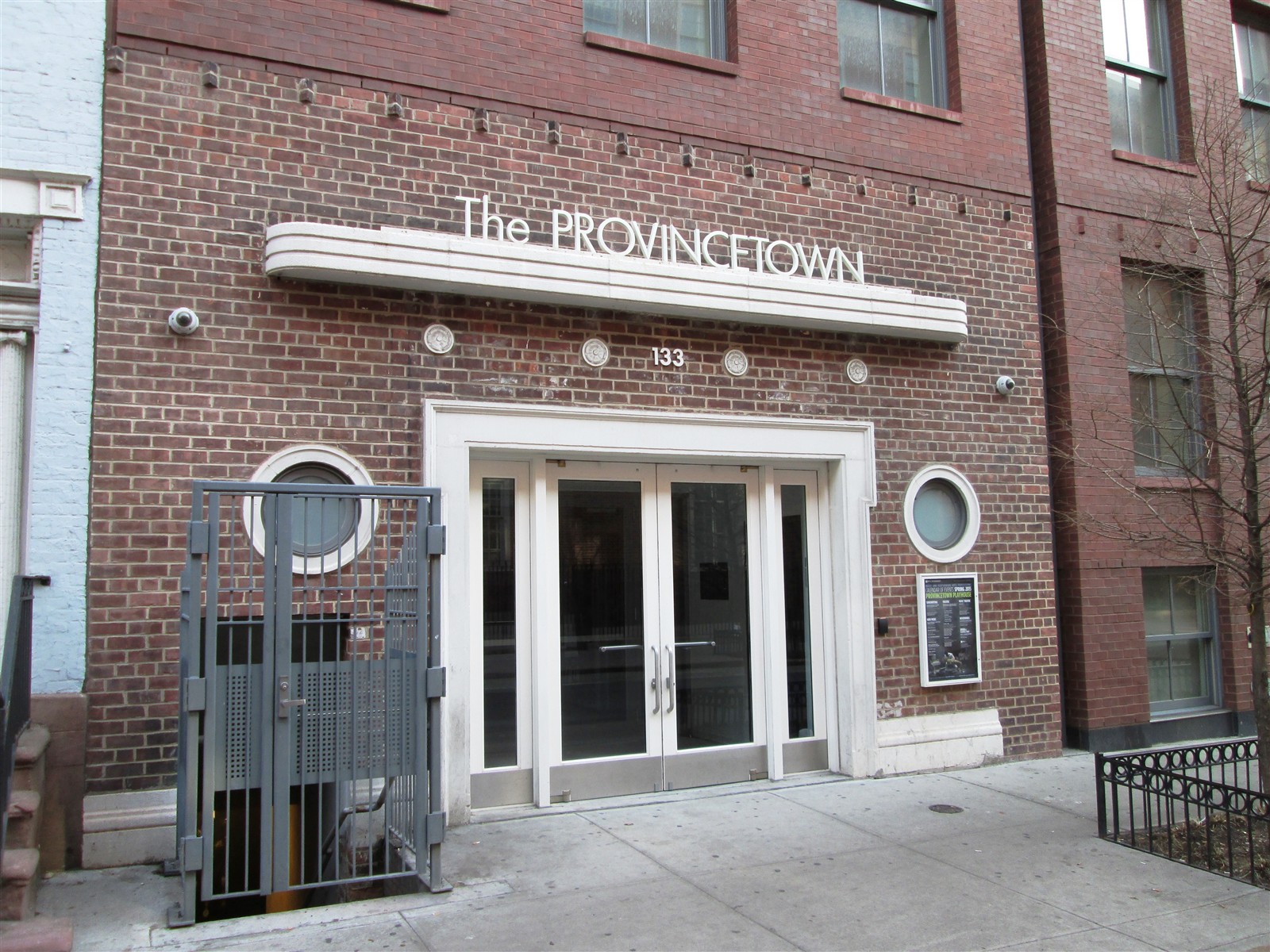
By 1946, the films had found a public. The publisher’s note to her pamphlet An Anagram of Ideas on Art, Form and Film reported sold-out performances at New York’s Provincetown Playhouse and screenings in colleges and museums around the country. Reaching the next audience meant making sure a print arrived in time.
That April, Deren wrote to Richard Foster, who was helping organise experimental-film screenings in the Bay Area. Her three silent 16mm films could be rented separately or together; she preferred the complete programme. But she was willing to discuss the price. In the correspondence preserved by Berkeley Art Museum and Pacific Film Archive, she offered an adjustment if the rental fee was prohibitive.
The arrangements soon became intricate. Prints coming from the Midwest had commitments in California and Kansas City. Deren needed dates quickly so she could work out the route. In June she asked Foster to send them on promptly, rewound for the next screening. A July invoice charged $15 for the three films. Each booking depended on someone at the previous one taking care of the next.
Then a Railway Express strike held up the films on their way from Oklahoma. They failed to reach Hollywood in time, and air-mailing became part of rescuing the arrangements. Writing to Foster on August 2, Deren was glad the air shipment to him had worked. She was also clear that the trouble hadn’t been his fault.
The extra postage had cost “$9.00 and some cents”—she couldn’t remember the cents. Foster had offered to pay it. If the museum could afford to do so, she would appreciate the help: “I operate on very small margins.” Otherwise, she was prepared to count it among the losses that contracts called an act of God. She left the decision with him, thanking him for his thoughtfulness.
Foster and Frank Stauffacher were developing Art in Cinema at the San Francisco Museum of Art. Their project interested Deren because she was looking for more films too. Requests had come in for work like hers, and she had hoped to build a distribution list that would give other filmmakers a reason to continue. Knowing that a film would get shown, she thought, might encourage someone to make another.
In August 1946 she told Stauffacher that she still hadn’t found a film to add. Her requirements were particular: affordable prints mattered, as did her own ideas about cinema. Colour reproduction was expensive; some projects she’d heard about remained unfinished. She passed along leads while admitting where she hadn’t seen the work. The exchange carried disappointment as well as encouragement. “Please let me know if you should stumble on anything,” she asked.
Keeping her own work in circulation also took other people’s time. Her assistant Miriam Arsham wrote in March 1947 asking Foster to return publicity stills. Printing them was a job, she explained, and they were running low. In June, another assistant, Lila Pelton, wrote to Stauffacher about a rental fee that hadn’t arrived. They had held off sending a bill because they weren’t certain of the screening arrangements.
Stauffacher apologised. He and Foster had been occupied with other work, and the cost of their catalogue had disrupted the organisation’s finances. He promised $50 for the rental, split between an initial $25 and another payment deferred until about August. The people showing her films were working on narrow margins too.
The audience, meanwhile, wanted more. In July, Art in Cinema’s Harry Smith wrote that Deren’s films had been received enthusiastically at the museum and the University of California. People were asking whether there would be anything else by her. A further enquiry followed in August. Pelton had to explain that nothing new was available. For news of other art films, she said, Deren’s office would have turned to them—and here they were asking her. Across the country, the people finding an audience were still looking to one another for the next film.


