Buried Frequencies / NO. 004
June of 44’s restless guitar music found listeners far from home. Years after the touring wore them down, friends in Sicily gave them a reason to play it again.
By Margin Tone
June of 44 brought four musicians from the American underground together in New York in late 1994. Guitarists and singers Jeff Mueller and Sean Meadows worked alongside bassist Fred Erskine and drummer Doug Scharin. Their music moved beyond the hard guitar sound of Mueller’s former band, Rodan, into what he later described as a mixture of dub, soul, psychedelia and funk. Reviewing Four Great Points in 1998, Salon praised the way their songs could shift abruptly from quiet to noise while keeping the songs coherent. Erskine and Scharin gave those changes a foundation.
That music reached well beyond the musicians’ home cities. Mueller later estimated that their second album, Tropics and Meridians (1996), had sold around 40,000–45,000 copies. Italy became especially important: he remembered arriving for their first show at the Bloom club in Mezzago and finding people already queuing, hours before the doors opened. Much later, the relationships formed on those journeys would bring the band back together.
Their first album, Engine Takes to Water, appeared on the independent label Quarterstick in June 1995. It opens with “Have a Safe Trip, Dear.” Even before hearing a note, the title offers a small domestic kindness: someone is leaving, and someone else is wishing them well. Travel had been part of the plan from the beginning. Mueller wanted to make songs with these musicians and go places he couldn’t otherwise afford to reach.
There was very little money at first. Remembering their early stretch together in Brooklyn for Sun 13, Mueller recalled the Sunrise diner beneath the elevated JMZ line, where two eggs, toast and coffee cost 99 cents. For three weeks, he said, that breakfast and powdered mashed potatoes were pretty much what they ate. He also remembered the freedom of being able to leave home for a month and see what happened. It came with an unpromising menu.
The speed still astonished him years later. He told LEO Weekly they had gone from never playing together to completing a record in roughly three weeks. He and Meadows had brought in skeleton versions of songs to make sure they would be ready for the studio. Later records became more collaborative, giving all four musicians greater room in the writing.
The rough edges were partly deliberate. Talking to musician Harry Lilley for Undertheradar, Mueller explained that they had wanted to preserve mistakes rather than polish away the circumstances of a performance. Learning the songs again years later, he found things he wished they had repaired. A friend had teased them about recording material before they had played it enough to know it properly. Some songs, Mueller admitted, had only just been within their ability to get through.
Lilley loved that quality in the records. Mueller could hear the flaws, but he didn’t want his misgivings to take away what listeners had found. “Let it be what it is to whoever it is that’s perceiving it,” he said. Returning to the songs meant making room for other people’s attachment to them as well as his own dissatisfaction.
By the end of the nineties, the travelling had become exhausting. Scharin told El Salto that, between June of 44 and Rex, he had spent nine months a year on the road. Sometimes he came home for a week without unpacking. Meadows remembered tensions they had allowed to accumulate. Scharin wished they had communicated more; Mueller thought they could have looked after one another better. Their original run ended in November 1999.
Nineteen years later, the invitation came from people they had met along those routes. Uzeda, the band from Catania in Sicily, were celebrating their thirtieth anniversary. Guitarist Agostino Tilotta wanted June of 44 there. Working directly with local promoters and musicians had created lasting friendships, Mueller explained in a pre-reunion interview with Scenari. Tilotta and Uzeda singer Giovanna Cacciola were among the people he loved most. Festival offers had come and gone. They wanted to be there for these friends.
Mueller had been suspicious of reunions. Recovering the parts was comparatively straightforward; finding his way back to the emotional world of the songs was harder. He spoke of old Louisville rooms, vanished relationships and people who had died. He didn’t want to perform the music without meaning it. Yet Tilotta’s invitation had cut through his objections. “You just can’t say no to family!” he told LEO Weekly.
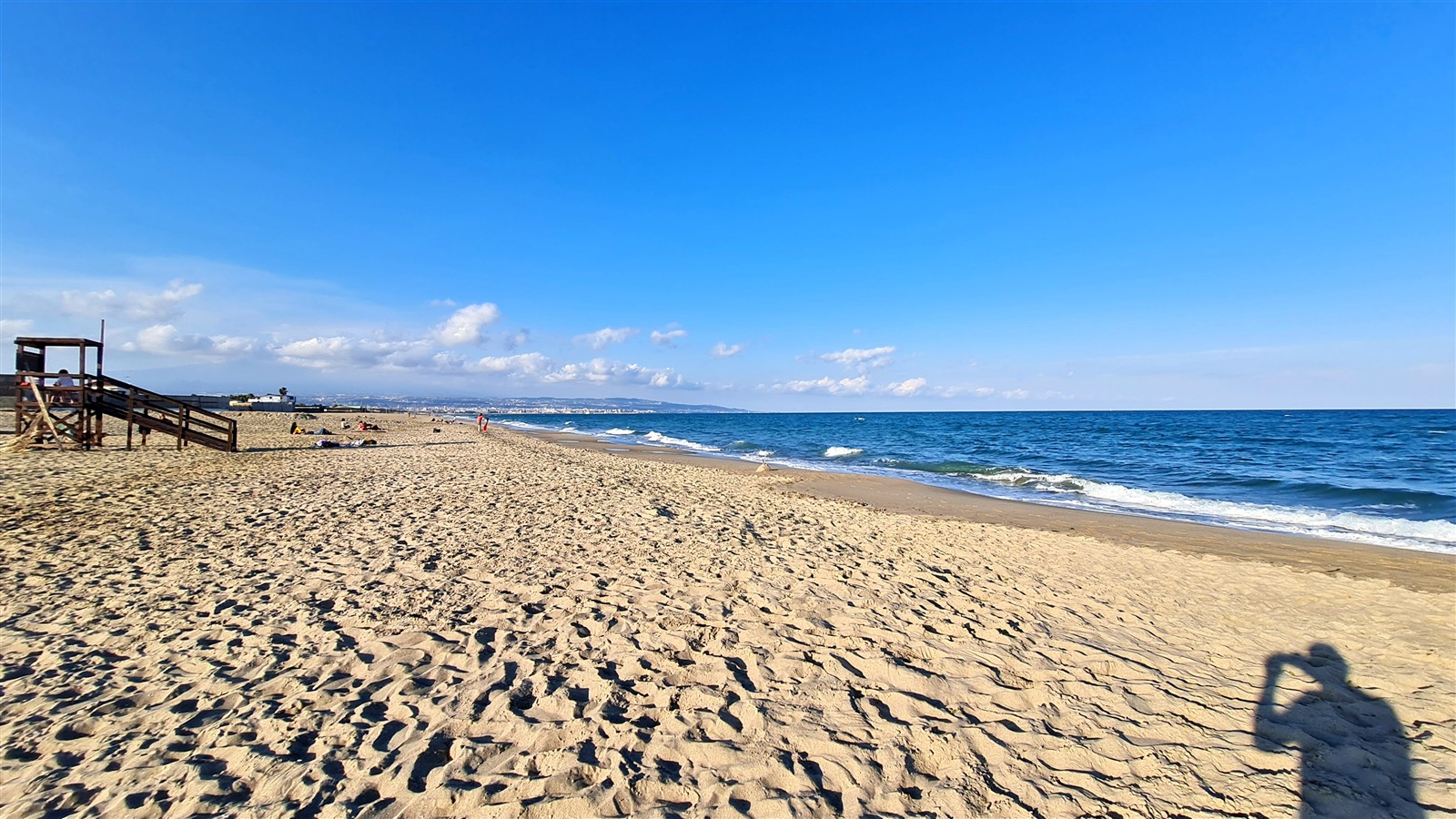
They played Catania in May 2018. Mueller later told Rolling Stone that rehearsals and the first shows had been full of thoughts of Jason Noble, his late friend and bandmate in Rodan and Shipping News. Mueller hadn’t played a concert for nine years. He hadn’t seen some of those friends since Noble’s death in 2012. Before the show, he had worried about adequately expressing his appreciation. Onstage by the Mediterranean, the audience’s gratitude caught him unprepared. His son was there to see it.
Asked what they wanted from this second chance, Erskine wanted to relax and manage their time better. Mueller agreed. They now had families and work to arrange before they could leave: Erskine needed someone to cover his baseball coaching, while Mueller had to tell his printing clients their orders would arrive later. This time, getting away meant finding cover and moving deadlines.
The reunion also gave unfinished songs somewhere to go. Meadows told ImpattoSonoro that the next recording wouldn’t have happened without Uzeda bringing them together. Short tours led to sessions with David Lenci in Oakland, followed by overdubs elsewhere and mixing by John McEntire in Oregon. Much of the material returned to songs from Anahata and their In the Fishtank EP, both released in 1999. They wanted to capture the versions they were now playing live.
Released in August 2020, Revisionist: Adaptations & Future Histories in the Time of Love and Survival made that return explicit. Its credits gathered the November 2019 Oakland sessions, additional recording in three other cities, remixes by Matmos and McEntire, and a track Bob Weston had recorded in 1996. “ReRecorded Syntax” even carried the act of returning in its name. Mueller was keen that Uzeda receive credit for setting the whole thing in motion.
That second life eventually took June of 44 to Japan in 2023. In a June 2026 Post-Trash interview, Mueller remembered full rooms and attentive audiences. By then, he described the band as being on a long-term hiatus, with families, other work and other musical commitments. He and Meadows were still making music together as Flowting Clowds.
He also explained why the later performances could seem less aggressive. He had become more interested in playing the songs faithfully than in seeing how hard he could attack his guitar. Some listeners mistook that change for detachment. For him, it meant being more deeply involved.
An old record had given him a simpler pleasure in his 2022 Sun 13 interview. When Simon Kirk said Anahata had aged well, Mueller was delighted. He was careful to explain that he was proud of it, even while believing the band could have made better versions of its songs. Then he had someone else to tell. “I’ll tell the other three guys that you feel that way. That’ll make them happy.”
Previously: Buried Frequencies No. 003 — Rodan and the Friends Who Kept the Music →


