Liner Notes After Dark / NO. 003
Pete Ham and his bandmates had the hits, the songs and the Beatles’ support. Their recollections trace the gap between Badfinger’s success and the money they could actually reach.
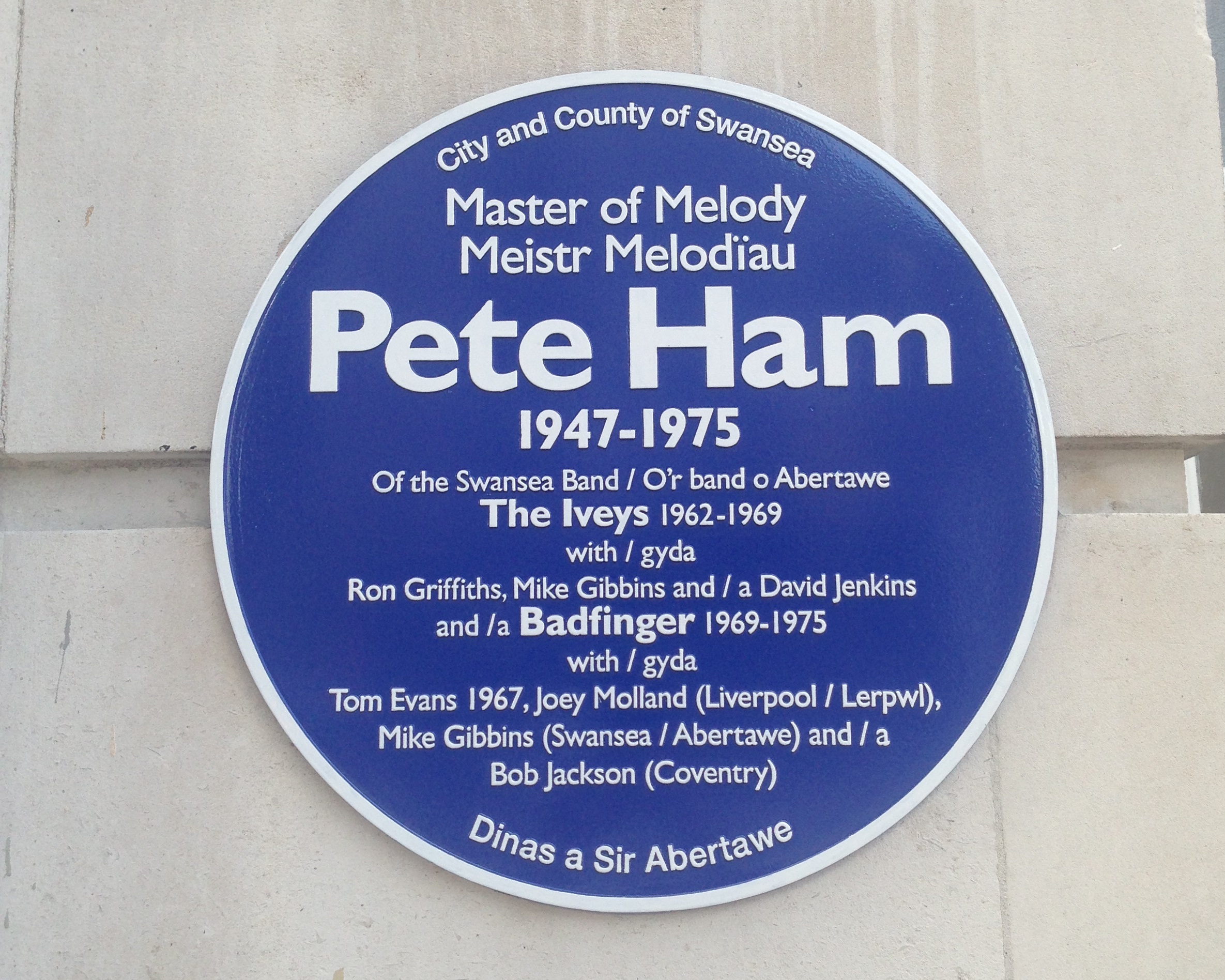
By Margin Tone
Badfinger were a Welsh-English rock band whose early-1970s hits included “No Matter What” and “Baby Blue.” Two of their songwriters, Pete Ham and Tom Evans, also wrote “Without You,” which Harry Nilsson took to number one. With songs like those and the Beatles behind them, they seemed to have made it. Getting paid was another matter.
By December 1974, Ham was in a corner of Apple Studios, working on a song that might become their next single. Bob Jackson, the band’s newest member, remembered him strumming alone, worrying at the unfinished arrangement of “Lay Me Down.”
The group had been given less than a fortnight to make an album. Their previous one, Wish You Were Here, had only recently appeared. Guitarist Joey Molland had left. The band hadn’t asked to start again so soon.
Jackson later told Rock Cellar that the instruction had come from their American manager, Stan Polley. As he remembered it, Polley’s interest was blunt: “We want that next advance.”
Ham was trying to make a record people would want to hear. His manager, in Jackson’s account, wanted a record delivered. For the moment, these could still look like the same job.
Five years earlier, Paul McCartney had handed them “Come and Get It.” They were still the Iveys when they recorded it, a band with Swansea roots and a long apprenticeship behind them. McCartney wrote and produced the single. By the time it became a hit, they had changed their name to Badfinger and brought in Molland on guitar.
Their own songs soon made the Beatles connection an awkward measure of their success. Ham was writing hits, yet the famous supporters kept supplying the questions. He was also becoming a musician those supporters wanted to work with.
George Harrison shared the slide-guitar parts on “Day After Day” with him, then chose him to accompany “Here Comes the Sun” at the Concert for Bangladesh. Ham had earned trust in the studio and onstage.
One of the more endearing details from those years takes Ham away from the studio altogether. Invited to play on John Lennon’s Imagine, he went home to Swansea for his niece’s birthday instead.
Before the hits, the Iveys had lived in their manager Bill Collins’s house in Golders Green. Ham worked in a makeshift studio there. In a transcript of the BBC documentary They Sold a Million, his former girlfriend Beverley Tucker remembered a shy man whose humour emerged as she got to know him. Arguments could make their way into songs; music was sometimes how he apologised.
She also remembered an evening he had promised her after spending too much time recording. They were about to go out when bandmate Tom Evans appeared with an idea. Ham wanted to keep his promise. Tucker told him to go ahead, although he could see she was disappointed. That exchange fed the verses of “Without You.”
Evans had a chorus looking for a better verse. Ham had the reverse problem. Put together, the pieces made a song neither had managed alone.
“Without You” appeared on No Dice. When Harry Nilsson’s version went to number one in Britain and America, it confirmed the strength of what Ham and Evans had made. Molland remembered being overwhelmed when they were invited to hear it. They’d resisted a lush arrangement themselves because they wanted to be a rock band; someone else had heard another possibility in their song. Its writers won awards.
That success should have made ordinary life easier. Instead, the musicians’ later accounts describe having to ask management for money to live on. Stan Polley had taken charge of their American business affairs, and they entrusted their earnings to him. The records sold. Getting hold of the income was a separate problem.
Apple sent letters reporting payments to management. Molland told Magnet that the band assumed the money was going into the bank. By 1974, even getting money for equipment had become a problem.
Leaving Apple seemed to offer a way forward. The Beatles’ breakup had drawn the label into its own business upheaval, and Badfinger wanted room to become themselves.
Ham addressed the departure in “Apple of My Eye,” which producer Chris Thomas understood as a song about the band’s time with the label. Polley negotiated their move to Warner Bros. Their last Apple album, Ass, and their first Warner album, Badfinger, arrived within months of each other. Record buyers were being offered two albums from the same band in quick succession.
Thomas remembered having to start the Warner album almost immediately after Ass, with the band writing quickly because they’d used up their material. For Wish You Were Here, he tried connecting songs into longer pieces, taking encouragement from the way Abbey Road stitched contrasting material together. They were still finding ways to make ambitious records inside the delivery schedule.
Outside the music, agreement was getting harder. Molland told Magnet he wanted the band away from Polley and believed Ham’s continued trust was preventing it. Ham briefly left Badfinger in 1974. Jackson was recruited in his absence; Ham returned, and for a short time they toured as five. Then Molland went.
Molland would resent accounts that made him and his wife responsible for the disaster. They had been close friends, he insisted, living together, working together, sometimes fighting. By the end, even deciding who was trying to help them had become a source of division.
The publishing advances became the subject of a legal dispute. Real Gone Music’s later reissue account described a lawsuit by Warner’s publishing arm over money diverted by management; Wish You Were Here was pulled from shops soon after release. Work that might have earned the band a future became caught inside the dispute.
Ham and his partner Anne were expecting a baby and had moved into a house in Surrey. By December, he was back in that corner at Apple Studios, trying to finish “Lay Me Down” for another album. The advance Polley wanted hadn’t made the band’s need for money go away.
The resulting album, Head First, contains “Hey, Mr. Manager” and “Rock ’n’ Roll Contract.” Jackson recalled Evans addressing the band’s management troubles directly in those songs. Evans was putting the business into the music, on an album that was supposed to be delivered through the management he was attacking.
Head First was shelved. Jackson recalled the money from management stopping in early 1975. Ham repeatedly tried to telephone Polley, only to encounter a dead line or someone saying the manager was unavailable.
The musicians looked for help. In his Hit Channel interview, Jackson recalled visiting prospective managers in London, only to be told to return once their legal difficulties were resolved. It was a miserable condition to be given: sort out the very trouble they were asking for help with, then come back.
During the week before Ham died, Jackson stayed with him at Ham’s invitation. Jackson knew his friend was deeply distressed. The death that followed shocked him.
Pete Ham died by suicide on 24 April 1975. He was twenty-seven. Asked years later whether the financial and legal troubles alone explained Ham’s death, Molland answered MusicRadar, “I really don’t know.”
Anne gave birth to their daughter, Petera, on 31 May 1975, five weeks after Ham died. She would come to know her father through his music and other people’s memories.
Badfinger broke up. Molland and Evans later worked together again under the name, but their renewed partnership also fractured. Evans died by suicide on 19 November 1983.
The story of “Without You” began with an evening out, a girlfriend’s disappointment, two unfinished ideas. Its writers were young men finding out what they could do together. The deaths were years away.
Head First finally reached listeners in 2000. Jackson’s memory preserves Ham in that corner at Apple, still sorting out “Lay Me Down,” trying to get the next record right.


