An experimental film can finish shooting long before it is ready for an audience. At Light Cone in Paris, shared equipment and technical help make that last stretch more manageable.
By Margin Tone
Finishing a film can mean needing equipment you can’t afford to own: a scanner, a reliable colour monitor or a room to check the sound. Atelier 105, run by the Paris nonprofit Light Cone, gives experimental filmmakers access to that equipment and people who can help them use it. It takes in films that have finished shooting and are already well into the edit.
Atelier 105 began in October 2014. The programme accepts shorts and features, from emerging or established artists, with or without a producer. Its particular field is experimental cinema, including animation, film diaries and work made directly on film without a camera. Under Light Cone’s published rules, documentary and fiction submissions are excluded, as are proposals to redo the colour of older films.
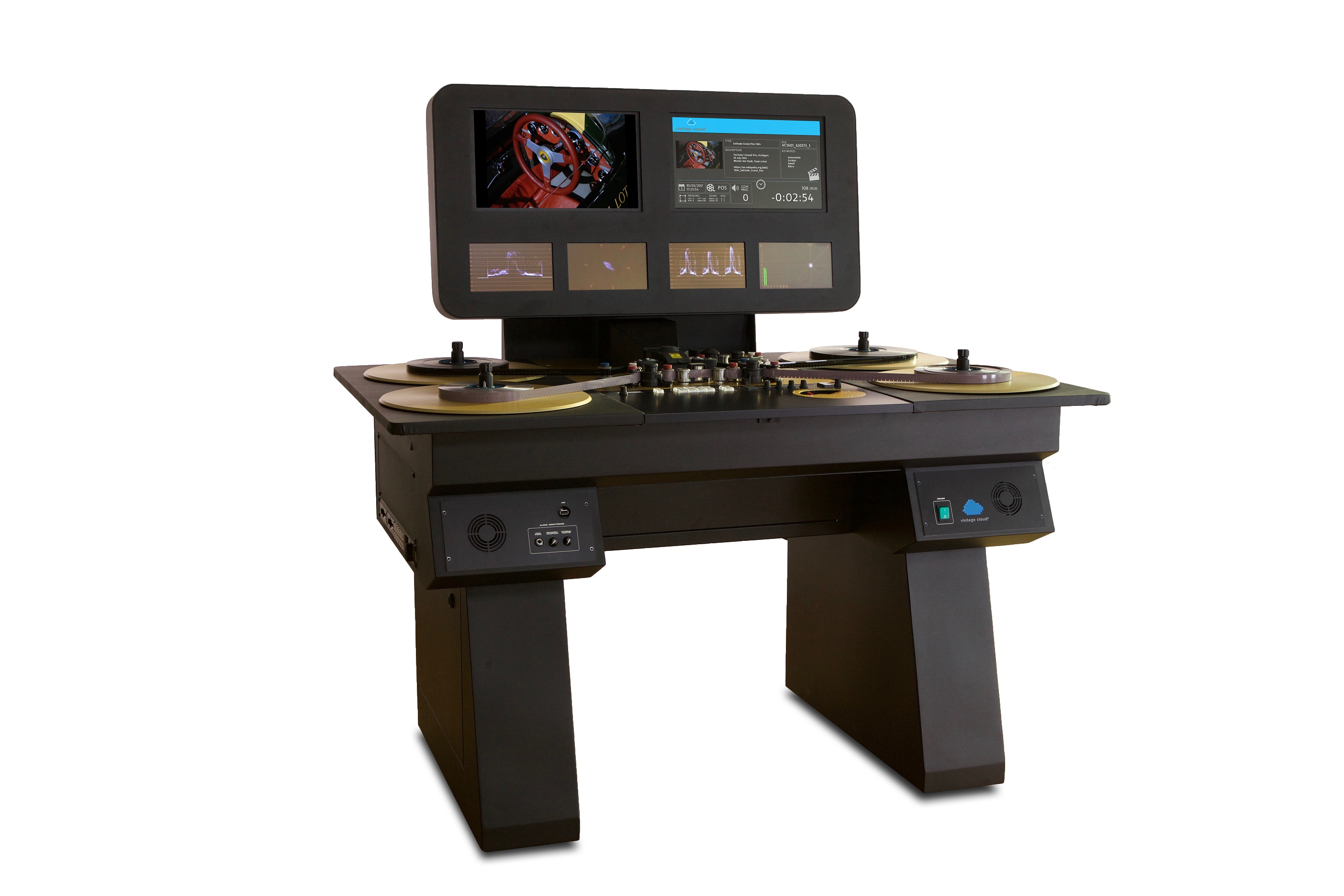
The facilities connect processes that a filmmaker might otherwise have to arrange separately. A scanner handles 16mm and 35mm footage; editing and colour work can continue on a computer; a projector lets the filmmaker check the image at a larger scale. Decisions made on a small display have to hold together when the film fills a screen. The residency offers time to discover what needs adjusting before a public screening makes the problem apparent.
Technical help is part of the arrangement. A manager can discuss software compatibility before arrival and help residents get to know the tools. They may work alone or bring their own technicians. Light Cone also encourages them to show developing versions to its team for technical advice and artistic discussion. That leaves room to show an unfinished version and talk through a decision before committing to it.
There are limits to what can be completed in the building. Light Cone describes its sound room as a place to finish a preliminary mix, which should then be tested in a dedicated space. A filmmaker still has to plan that next check. The residency also has computers for making Digital Cinema Packages, or DCPs, the sets of picture, sound and supporting files commonly used in digital cinema screenings. Finishing involves both deciding how a film should look and sound and supplying a version a venue can use.
The finished work enters an organisation already occupied with getting experimental films to audiences. Light Cone distributes to cinemas, galleries, festivals and other cultural venues. Its residency terms place completed films in the distribution catalogue, and it assembles an annual public programme from selected residency works. Neither a catalogue entry nor a residency guarantees bookings, but the filmmaker leaves with a route for programmers to find the work.
The scale of that activity is visible in Light Cone’s own reports. Its 2021 online showcase listed 21 films completed at Atelier 105 during 2019 and 2020, including Soetkin Verstegen’s Freeze Frame and Daniel Burkhardt’s Semiotics of the City. In October 2024, its anniversary announcement put the total supported to completion at more than 150 films.
For an applicant, access still comes with costs and a timetable. The published conditions set a normal maximum of two to three weeks, with up to four for a feature if approved. Travel and accommodation aren’t covered. Submission normally requires a €30 association subscription; filmmakers already distributed by Light Cone and applicants under 30 are exempt. As of October 2, 2026, applications for the second 2026 session are closed, with the first 2027 call due to launch in November 2026.
A filmmaker has to arrange a place to stay, bring an edit and make those weeks count. In return, there’s a room equipped for the work, people to ask when something goes wrong, and a distributor waiting for the finished film. For a project that might otherwise stall after shooting, that is a useful kind of company.


